Certified Removal Crew
Mold Removal in Church Hill, PA
When Church Hill homeowners just need the mold gone — off the wall, off the furniture, off the trim — this is the service built for exactly that.
📞 Call +1-844-578-1604 Now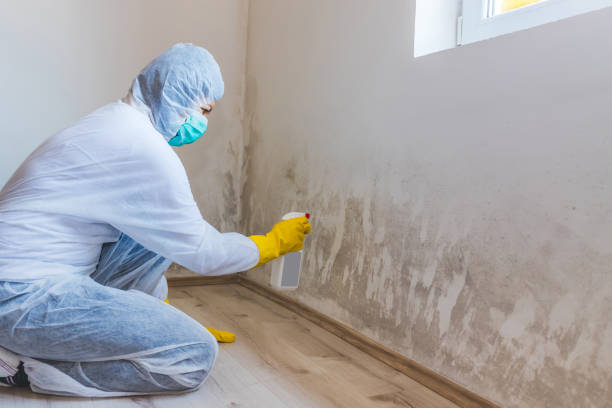
When Church Hill homeowners just need the mold gone — off the wall, off the furniture, off the trim — this is the service built for exactly that.
📞 Call +1-844-578-1604 Now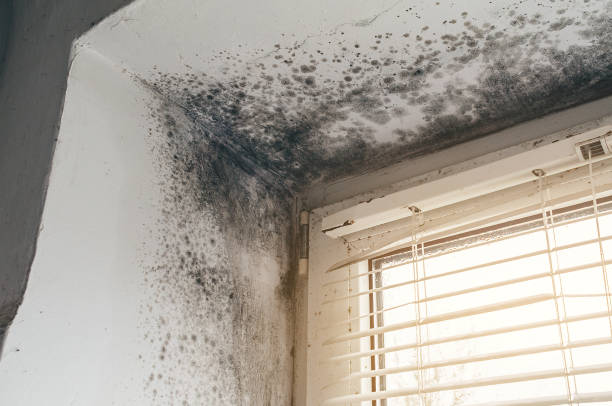
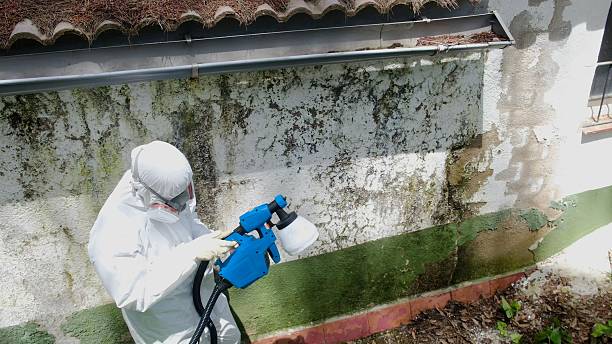
Our Church Hill removal technicians specialize in fast, targeted treatment: HEPA extraction, EPA-registered antimicrobials, and a follow-up check before we leave.
If an inspection reveals something more extensive, we'll tell you plainly rather than quietly expanding the scope mid-job.
What sets our Mold Removal crew apart in Church Hill.
Every Church Hill job uses HEPA vacuums and air scrubbers rated to capture mold spores, not just visible residue. We track every product used by surface type, so nothing gets applied incorrectly.
No change orders unless the scope itself changes. Our Church Hill vehicles restock daily, so equipment shortages don't delay your appointment.
Most Church Hill calls get a technician out the same day. We track every product used by surface type, so nothing gets applied incorrectly.
Every treated surface gets a follow-up wipe-down and inspection before we call it done. Our Church Hill vehicles restock daily, so equipment shortages don't delay your appointment.
Every Church Hill job gets scoped to the specific problem, not a generic checklist.
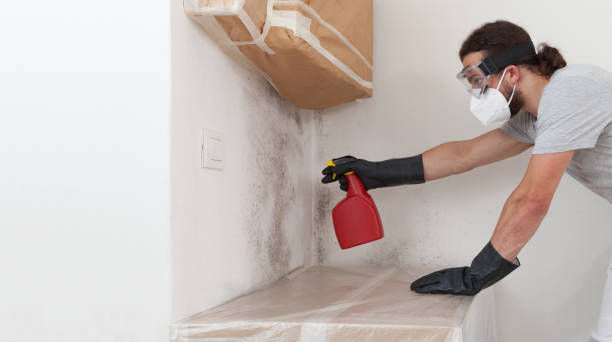
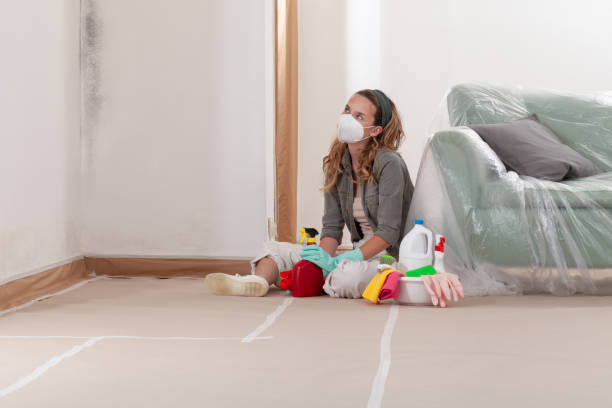
Active colonies on painted drywall, baseboards, and trim get HEPA-vacuumed and treated with an EPA-registered antimicrobial in one visit.
We sort salvageable items from anything too far gone, so you're not paying to treat what can't be saved.
Fogging works best as a finishing step after visible growth is already physically removed, not as a standalone fix.
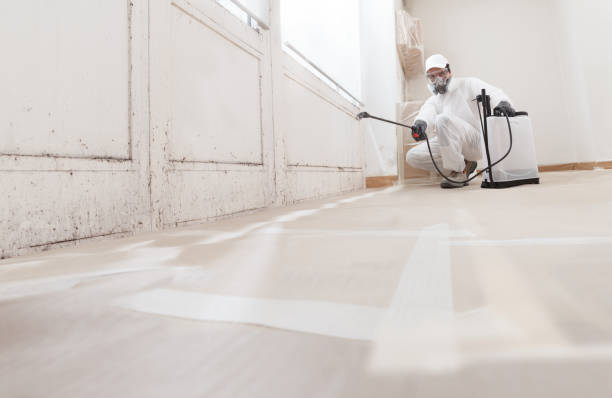
Negative-air scrubbers run during the job to pull airborne spores out of circulation before they settle somewhere new.
This step is used selectively — sealing over an active moisture problem just hides it, so we fix the source first.
We won't call a Church Hill job finished if the space still smells the way it did when we arrived.
We keep this simple enough to explain in under two minutes on the phone.
A quick call helps our Church Hill dispatcher send the right equipment on the first visit. We'll give you a realistic arrival window rather than a vague estimate.
Response time in Church Hill is typically same-day, faster for active emergencies. You'll get a call or text when the crew is on the way.
We inspect, test where needed, and give you a flat-rate quote before any work begins. We'll explain the quote in plain language, not just hand you a number.
You get documentation proving the work was completed to standard. We'll walk the space with you before calling it finished.
A few recent stories from mold removal jobs around Church Hill.
"They pulled mold off our bathroom ceiling and it hasn't come back six months later."|"Saved our dining room furniture instead of telling us to toss it — appreciated that." — Karen L., Church Hill
"Same-day appointment and the tech was done in under three hours."|"Explained exactly what product they were using and why before starting." — Devon M., Church Hill
"Quoted one flat price and that's exactly what we paid."|"The musty smell was gone by the time they left, not just the visible spots." — Yolanda P., Church Hill
One call gets a Church Hill technician scheduled, often for the same day, with a flat-rate quote before anything starts.
Call +1-844-578-1604Inside our Church Hill coverage zone, same-day removal appointments are usually available.
We stock HEPA equipment and antimicrobial treatments on every truck, so most Church Hill jobs don't need a second trip.
Coverage extends to zip codes such as 17084 17063
Answers to what Church Hill customers ask before booking mold removal.
Removal targets active surface growth directly — cleaning, treating, and testing a specific area.
In many cases, yes — if the drywall itself hasn't lost structural integrity, surface treatment can resolve it.
Regrowth tied to an unresolved moisture source outside our original scope isn't covered, but we'll flag that risk before we start.
Most Church Hill calls get scheduled same-day.
We recommend keeping kids and pets out of the treated area until it's fully dry, typically a few hours.